


When to buy replacement ladder feet
09/02/26
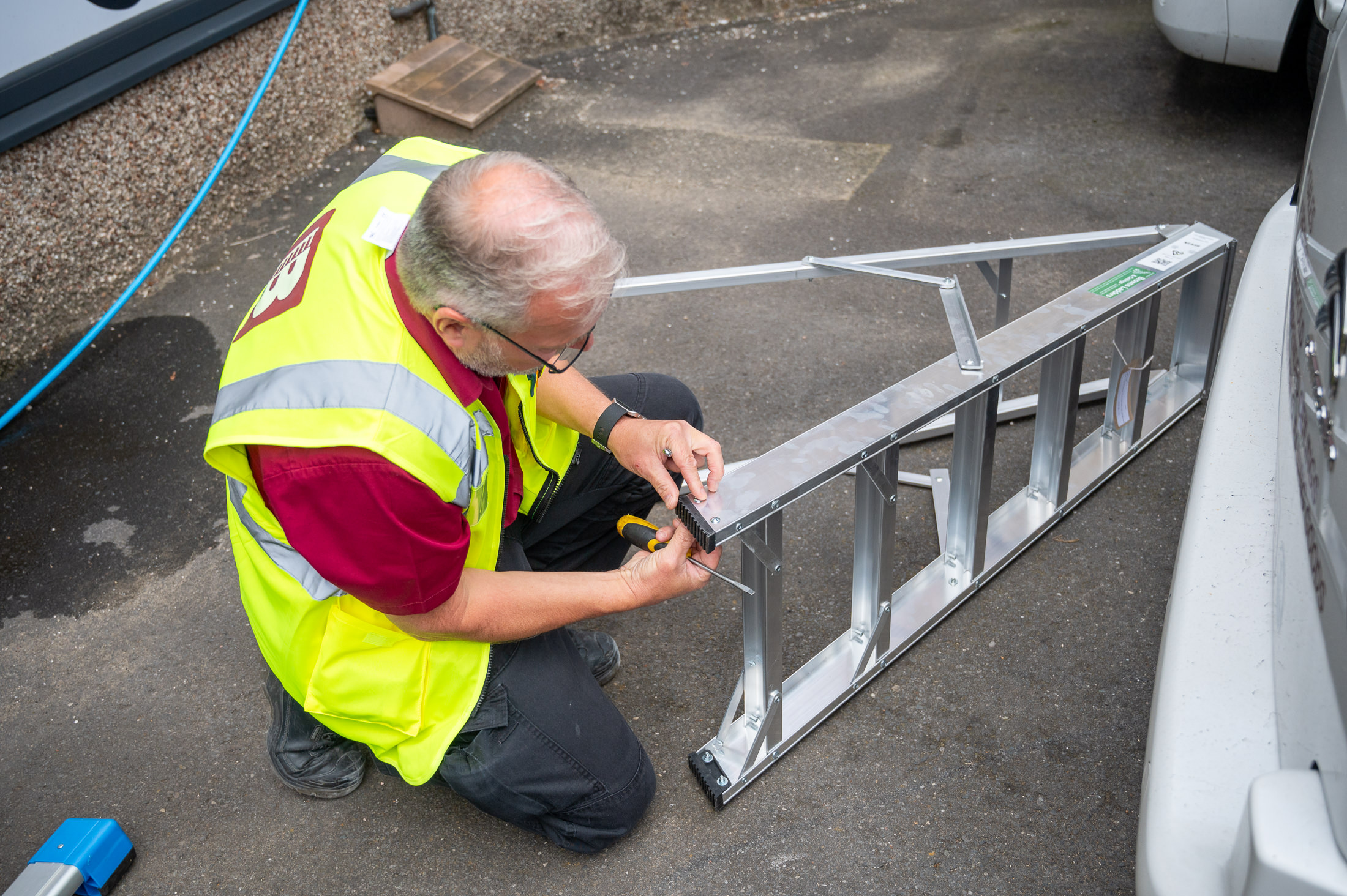
Ladder feet may seem minor, but they are key to safety, stability and performance. If you use a ladder for home projects or at work, worn or damaged feet can make things dangerous. Replacing them at the right time helps prevent slips and keeps your ladder in good shape.
This guide covers why ladder feet matter, the dangers of ignoring damage, how to spot early warning signs, and where to buy replacement ladder feet.
Table of contents
- Why ladder feet are important
- Potential risks of worn or damaged ladder feet
- How to know when you need new ladder feet
- Buying replacement ladder feet at Browns Ladders
- FAQs
Why ladder feet are important
Ladder feet are found at the base of your ladder, and they have a big impact on safety and how easy the ladder is to use. They provide grip, stability and protection on a wide range of surfaces.
Key benefits of ladder feet include:
- Improved grip on different surfaces
Rubber and anti-slip ladder feet help prevent movement on smooth surfaces such as concrete, tiles or decking. This is essential for stopping ladder feet from slipping, especially on smooth surfaces. - Better overall stability
Good ladder feet spread your weight evenly. This helps reduce wobbling and keeps the ladder steady when you climb, descend, or work at height. - Protection for floors and ground surfaces
Replacement rubber ladder feet stop metal legs from scratching floors, paving, or grass. This is especially helpful for indoor DIY or home projects. - Extended ladder lifespan
Ladder feet create a barrier between the ladder and the ground. Without them, the legs can wear out quickly, which could mean expensive repairs or the need for a new ladder. - Compliance with workplace safety standards
At work, ladders need to be kept safe to use. If the feet are worn out, you could fail to meet safety rules and may face additional checks.
No matter what type of ladder you use, keeping the feet in good shape is important for safety and how well the ladder works.
Potential risks of worn or damaged ladder feet
Using a ladder with worn or damaged feet increases the risk of accidents. Over time, rubber feet can harden, crack, or become smooth, making them less effective.
Common risks include:
- Slipping on smooth or wet surfaces
If ladder feet lose their grip, the ladder can slide without warning. This is especially risky on concrete, paving, tiles, or indoor floors. - Loss of balance and ladder instability
If the ladder feet are uneven or damaged, the ladder can rock or tilt, making it harder to keep your balance when climbing or working. - Increased likelihood of falls
Ladder slips are a leading cause of workplace and home injuries. Even a small fall can lead to sprains, broken bones, or head injuries. - Damage to the ladder itself
Without good feet, metal ladder legs can bend or split over time, which weakens the ladder. - Legal and insurance issues
At work, accidents caused by poor ladder care can lead to insurance claims being denied or legal issues.
Replacing ladder feet as soon as you see wear is an easy way to reduce these risks and keep your work area safe.
How to know when you need new ladder feet
Knowing when to carry out a ladder feet replacement doesn’t require expert knowledge. Just check them regularly to spot problems early and avoid additional risks.
Look out for these warning signs:
- Smooth or worn-down rubber
If the tread is gone and the surface feels smooth, the grip is weaker, and you should replace the feet. - Cracks, splits or hardened rubber
Rubber ladder feet can wear out from weather, sunlight and frequent use. Cracked or brittle feet won’t grip well. - Uneven wear
If one foot is more worn than the other, the ladder can sit unevenly and become unstable. - Loose or missing feet
If ladder feet slide off or don’t fit tightly, replace them straight away. - Visible ladder movement during use
If your ladder feels less steady than normal or slips even when set up correctly, worn feet are often to blame.
As a rule, ladder feet should be checked before each use and replaced as soon as signs of damage appear, especially on frequently used or outdoor ladders.
Buying replacement ladder feet at Browns Ladders
If you’re wondering where to buy replacement ladder feet, Browns Ladders offers a wide range of high-quality options for both home and professional use.
Call to speak to our friendly team to find the correct feet for your ladder or step. Call on 01282 615517.
Popular options include:
- Trim 2 Fit ladder feet – Ideal for a secure fit across different ladder styles
- Henchman Tripod Ladder Rubber Feet – Pack of 3 – Designed specifically for tripod ladders
- Hendon Tripod Ladder Rubber Feet – Durable replacement feet for increased stability
Browns Ladders sells genuine replacement feet for ladders that fit well, last long and keep you safe. You can easily order online, and their experts can help you pick the right product if you need advice.
By recognising the signs of wear and choosing high-quality replacement ladder feet, you’re making a small investment that delivers big safety benefits, whether at home or at work.
FAQs
How often should replacement ladder feet be changed?
There’s no fixed timeframe. Ladder feet should be replaced as soon as you notice wear, cracks or reduced grip. Frequent or outdoor use may require more regular replacement.
Can I replace ladder feet myself?
Yes. Most replacement ladder feet are designed for easy fitting and can be installed without specialist tools.
Do replacement ladder feet improve safety?
Absolutely. New ladder feet restore grip, stability and balance, significantly decreasing the risk of slips and falls.
Are replacement feet for step ladders different?
Yes. Step ladders, extension ladders and tripod ladders often require specific feet, so always choose the correct type for your ladder.
Is it cheaper to replace ladder feet than buy a new ladder?
In most cases, yes. Replacing ladder feet is a cost-effective way to extend your ladder’s life and maintain safety.